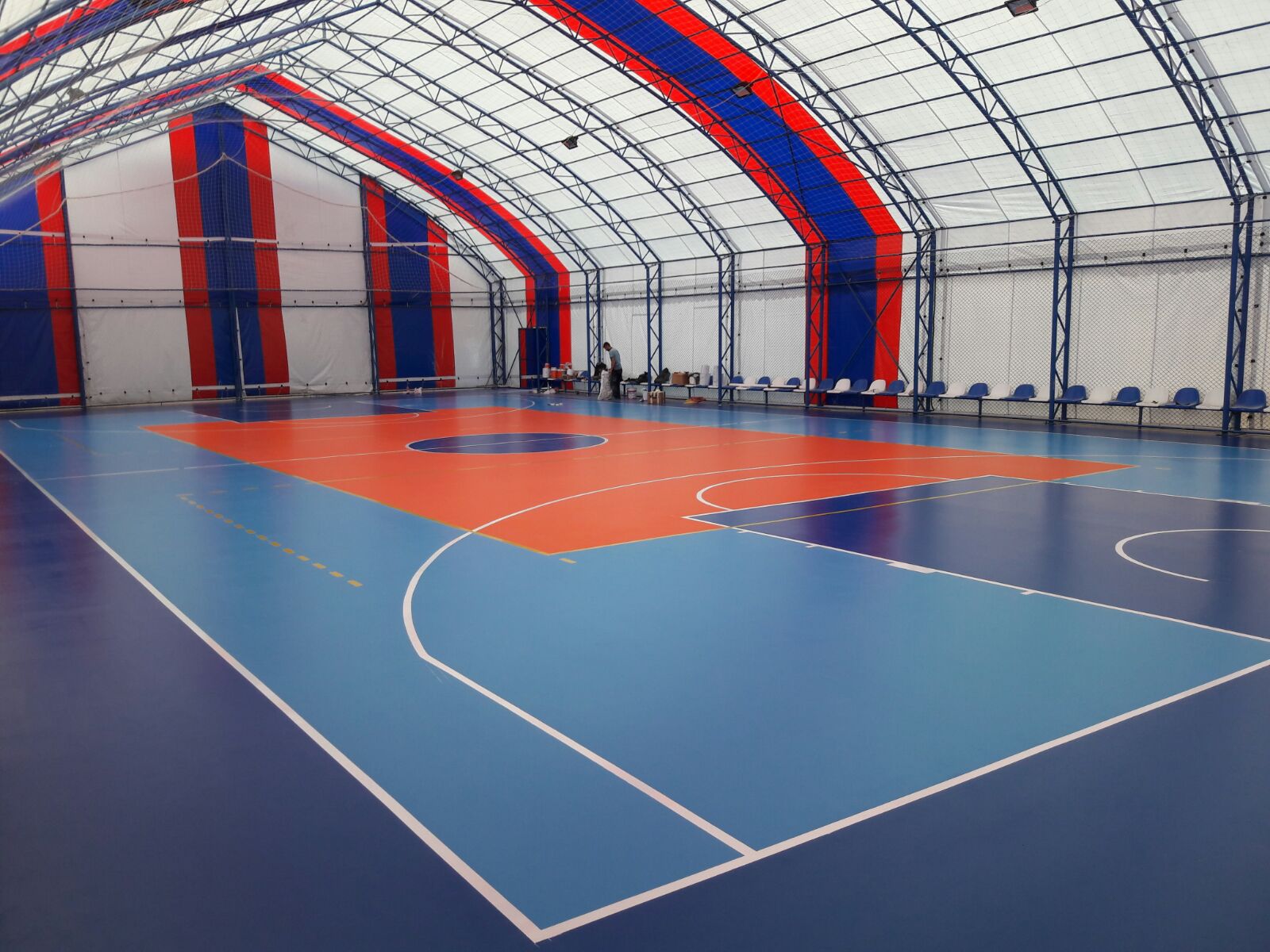
Aliphatic primer; It is a two-component, low viscosity, solvent-containing, hard and elastic coating material. It has high UV resistance and resists yellowing thanks to its aliphatic structure. It is used as a self-leveling transparent coating system that creates a glossy or matte surface if desired after application.
Aliphatic primer; It is a two-component, low viscosity, solvent-containing, hard and elastic coating material. It has high UV resistance and resists yellowing thanks to its aliphatic structure. It is used as a self-leveling transparent coating system that creates a glossy or matte surface if desired after application.
. On interior and exterior surfaces
. On concrete and cement based mineral surfaces
. On highly absorbent surfaces
. Primer applications for Kenncoat brand epoxy, polyurethane and acrylic floor coverings
In 20 kg metal buckets
Consumption amount of 0.15-0.25 kg/m²
Avoid application under extreme heat, sun, wind, rain, when the surface temperature is below + 10⁰C or above + 30⁰C. In extremely cold conditions, heaters should be used to increase the workability of the environment and the product.
Liner; It can be applied to the surface using a brush, roller, trowel or squeegee. Make sure a continuous, non-porous coating covers the substrate. Apply two coats if necessary. In order to increase the adhesion of the epoxy or PU layer to be coated on the surface, aggregate (200-500 micron thickness) can be applied by mixing it into the primer or by sprinkling it after being applied to the surface. The mixed product should be applied within 20-30 minutes. The waiting time between coats must be at least 24 hours and at most 48 hours at +20 °C. If waited for more than 48 hours, the surface should be sanded. The product must be left to dry completely for at least 7 days to reach its maximum mechanical and chemical resistance. Reaction times are prolonged at lower temperatures, increasing pot life, coating interval and working time. High temperatures increase chemical reactions and the time mentioned above decreases accordingly. After application, the material should be protected from direct contact with water for at least 24 hours. Contact with water during this period may result in a carbonated surface and/or surface stickiness that must be removed. In such cases, the general coating must be removed from the floor and renewed. Epoxy, acrylic and polyurethane floor systems should be installed by experts.
Cleaning of the equipment used should be done with organic solvents such as thinner and butyl acetate.
Technical documents are not available for direct download. Leave your details and we will email the document.